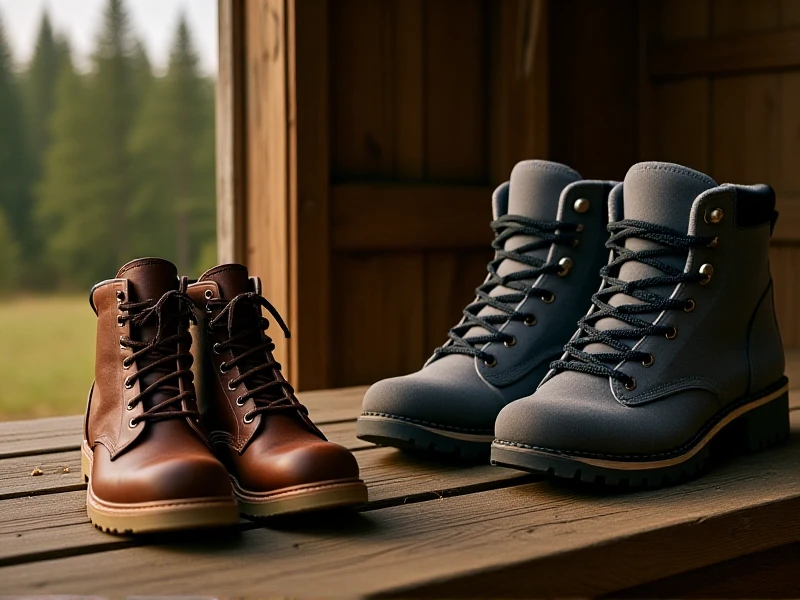
Ultimate Guide to Choosing the Perfect Work Boots in 2023
Here is the SEO optimized article about Work Boots:
Finding the right pair of work boots isn't just about comfort; it's an essential investment in safety and performance on the job. Whether you're navigating construction sites, warehouses, or tough outdoor terrain, the proper work boots protect your feet and support you through demanding shifts. This guide covers the key factors to consider when selecting the best boots for your trade and environment.
Safety Standards Are Non-Negotiable: The most critical feature? Look for boots compliant with relevant safety standards. Essential certifications include ASTM F2413, covering impact and compression resistance (often indicated by a safety toe like steel, composite, or alloy), puncture resistance (underfoot protection against nails or debris), and EH (Electrical Hazard) rating if you work near live circuits. Never compromise on safety certifications for your work boots.
Durability Demands Quality Materials: The demands of the job site require boots built to last. Full-grain leather offers excellent durability, abrasion resistance, and natural water resistance – a prime choice for many trades. Quality synthetic options also exist. Check the stitching and reinforcement around high-stress areas, like the toes and soles. A robust work boot should withstand constant wear without cracking or tearing prematurely.
Traction is Key to Stability: Slips and falls are major hazards. Seek outsoles engineered for superior grip on your specific surfaces. Deeper lugs provide excellent grip on loose or muddy terrain, while specialized slip-resistant compounds are essential for oil or wet floors. Your work boots need to keep you upright, regardless of the conditions underfoot.
Comfort for the Long Haul: Heavy, stiff boots can cause premature fatigue. Look for features enhancing all-day comfort:
- Supportive Cushioning: Look for effective midsole materials like EVA, PU, or specialized gel inserts absorbing shock from hard surfaces.
- Ergonomic Design: A well-contoured insole and proper arch support reduce pressure points and fatigue.
- Fit Matters: Ensure adequate width, especially if you wear thicker socks. Most high-quality work boots require some break-in period, but should never cause persistent pain.
Match Your Environment: Consider your working conditions. For wet climates, waterproof or water-resistant boots with sealed seams are crucial. Breathable linings and moisture-wicking technology are essential in hot environments. Insulated boots rated for specific low temperatures keep feet warm in cold conditions.
Choosing the best work boots requires careful consideration of safety, durability, traction, comfort, and your specific environment. Always prioritize certified safety features and invest in boots from reputable manufacturers designed for rigorous work. Your feet – and your day – will thank you. Protect your most valuable assets.