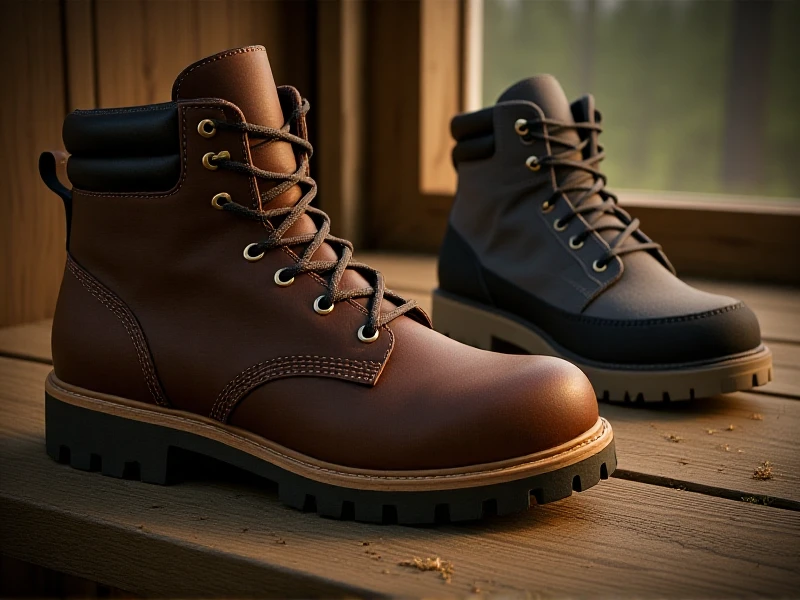
Your Ultimate Guide to Choosing Reliable Work Boots for Any Job
When it comes to tough workplaces, from construction sites to factories, investing in a quality pair of work boots isn't just about comfort—it's about safety and longevity. Work boots protect your feet from hazards like heavy objects, sharp debris, and slippery surfaces, reducing injury risks while boosting productivity all day long. But with so many options on the market, selecting the right pair can be overwhelming. Let's dive into key factors to consider for finding the perfect work boots that meet your needs.
First, understand the different safety features available in modern work boots. Safety-toe protection is essential, with choices including steel toe, composite toe, and aluminum toe, offering varying levels of impact and compression resistance while reducing weight. Composite toes, for instance, are lighter and ideal if you're working around electrical hazards, as they don't conduct heat or electricity. Next, look for slip-resistant soles—often made from durable rubber—which provide traction on wet or oily surfaces. Waterproof work boots are crucial for outdoor jobs in rain or mud, while insulated versions keep feet warm in colder environments without sacrificing breathability. Always check for certifications like ASTM or ISO standards to ensure the boots meet industry safety requirements.
Comfort should never be overlooked when choosing work boots. Aim for models with cushioned insoles and arch support to reduce fatigue during long shifts. Proper fit is vital; try boots on with thick socks to ensure they have ample toe room and heel stability. Break them in gradually before tough tasks—wear them around the house for a few hours to avoid blisters. Additionally, consider materials: full-grain leather work boots are durable but heavier, while synthetic blends offer flexibility and quicker drying times. For added convenience, models with built-in shock absorption or specialized cushioning can enhance all-day wear.
Maintaining your work boots extends their life and performance. Clean them regularly with a soft brush and mild soap to remove dirt, then condition leather pairs to prevent cracking. Store them in a cool, dry place to avoid moisture damage, and rotate between two pairs if you work frequently in wet conditions. Replace boots showing signs of wear, such as worn soles or loose stitching, as they might not offer full protection anymore.
Ultimately, the best work boots balance protection, comfort, and durability. Start by assessing your job demands, then prioritize features that match your routine to stay safe and efficient. For top picks, explore brands known for innovation, and don't hesitate to consult an expert for personal advice before your next purchase.