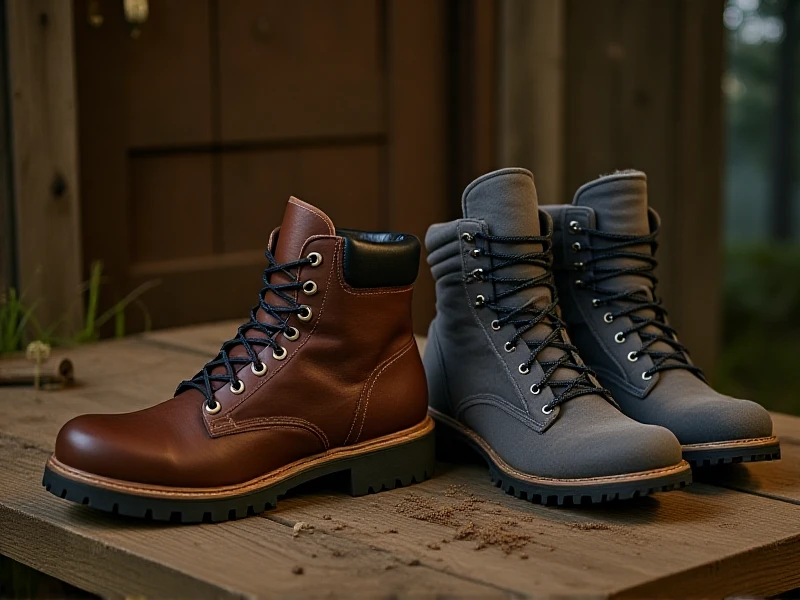
Your Guide to Rugged Adventure: Choosing the Perfect Hiking Boots
Choosing the right Hiking Boots isn't just about style; it's about comfort, safety, and unlocking unforgettable trails. Your feet carry you through muddy paths, over rocky scrambles, and across serene meadows. Trusting them to subpar boots risks blisters, fatigue, or even injury. Get it right, and miles feel effortless.
So, where did they fail you? Was it the ankle support on steep descents, letting your foot roll uncomfortably? The painful rub that turned a dream hike into a hobble back? Or maybe that sudden downpour soaked through to your socks within minutes? It happens. Selecting Hiking Boots requires matching the boot to your terrain and hiking style.
Here’s your breakdown for finding the right pair:
- Terrain Dictates Tread & Support: Your local trails matter! Smooth, well-maintained paths need lighter hiking shoes or low-cut boots. Tackling uneven, rocky mountain terrain? Opt for sturdy mid-cut or full Hiking Boots with aggressive Vibram or deep lug soles for unbeatable traction and ankle protection. More support prevents twists on unstable ground.
- Don't Skimp on Fit & Comfort: Boot break-in is crucial, but initial comfort is non-negotiable. Try them on late afternoon when feet swell slightly. Wear your intended hiking socks. There should be a thumbnail's width at the toe. Heel hold is paramount – minimal vertical slippage. Walk incline/decline on a store ramp. Feeling pressure points? Try a different size, width, or brand.
- Weatherproofing is Essential: For most climates, waterproof Hiking Boots (like GORE-TEX®) are wise. They repel rain, stream splashes, and morning dew, keeping feet dry and warm. Breathability prevents sweaty discomfort. For consistently hot, dry trails, non-waterproof, highly breathable mesh boots might suffice – but understand the trade-off.
- Weight vs. Durability: Lightweight boots reduce fatigue on long distances. Ultra-lightweight options exist. However, heavy backpacking over rugged routes demands more durable, supportive boots, often with stiffer midsoles. Find your personal balance.
Beyond the basics: sturdy toe caps protect against rocks; well-padded collars prevent rubs; quality laces stay secure. Durability matters – quality materials withstand abrasion. You wouldn’t trust flimsy gear on a mountain; your Hiking Boots deserve the same scrutiny.
Taking care of your investment is vital. Clean off mud, allow them to air dry (never force heat), and re-treat the leather or waterproofing periodically. Breaking in boots gradually prevents agony – wear them around town before hitting the trail hard.
Your ideal pair provides unwavering support, keeps you dry, and grips confidently. Invest time trying different brands and models. Your feet will thank you mile after mile, letting you truly embrace the journey ahead. Explore reviews, talk to fellow hikers, and prioritize boots that feel like partners, not burdens. Adventure awaits.