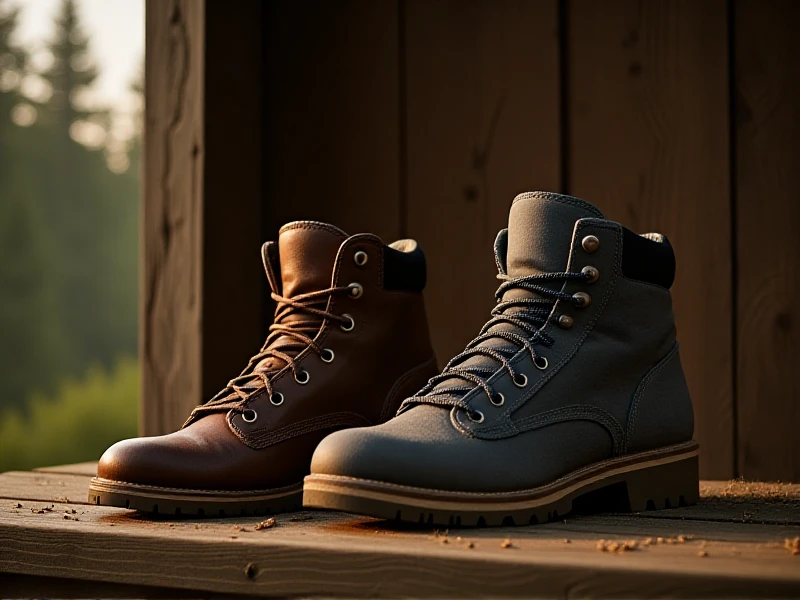
The Ultimate Guide to Choosing Hiking Boots for Unbeatable Trail Stability
Trekking into nature requires reliable protection, and nothing beats a sturdy pair of hiking boots for conquering challenging trails. Choosing the right footwear isn't just about comfort—it's essential for safety, support, and unlocking miles of adventure. Whether you're tackling rocky inclines, muddy paths, or serene forest walks, the perfect hiking boots transform your experience, keeping you secure with every step.
Understanding Why Proper Hiking Boots Matter Ordinary sneakers simply can't match the specialized design of dedicated hiking boots. Your feet endure significant stress on uneven terrain. A quality boot provides robust ankle support, significantly reducing the risk of rolls and sprains. Rigid shanks reinforce the midsole, protecting your arches from sharp rocks and roots. Furthermore, sturdy outsoles deliver superior grip, preventing dangerous slips on wet or loose surfaces. It’s about confidence: confidence in your footing and the longevity of your hike.
Key Features Defining Top-Tier Hiking Boots
- Ankle Support & Stability: Higher collars lock in your ankles. Look for boots that offer substantial structure without restricting movement, crucial for navigating steep descents or carrying a backpack.
- Uncompromising Traction: The outsole lugs are paramount. Deep, multi-directional patterns (like Vibram®) bite decisively into varied surfaces - dirt, mud, scree, or wet rock – ensuring you stay upright.
- Durable & Protective Construction: Upper materials must be tough. Full-grain leather offers high abrasion resistance and waterproofing potential, while durable nubuck or high-performance synthetics often provide lighter weight and faster drying times. A sturdy toe cap shields against accidental impacts.
- Waterproofing & Breathability: Keeping dry is vital for comfort and preventing blisters. Membranes like Gore-Tex® or proprietary brands are standard, expertly balancing water resistance with sweat vapor escape.
- Comfort-Centric Fit: Supportive cushioning reduces fatigue. Remember, your feet swell during long hikes! Ensure ample toe box room (about a thumb's width beyond longest toe) and a secure, non-slip heel cup. Always try boots with hiking socks in the afternoon/evening.
Finding Your Perfect Fit: Boot Types & Terrain Match your footwear to your adventure:
- Light Trail Shoes: Ideal for gentle, dry trails; prioritize flexibility. Great for fast-packing.
- Mid-Height Hiking Boots: The versatile go-to for most day hikers, offering solid ankle support and protection.
- Mountain Backpacking Boots: Essential for heavy loads, multi-day treks, and demanding alpine terrain like the Pacific Crest Trail. Expect maximum support, durability, and often stiffer soles.
Still deciding? Ask experienced hikers for recommendations specific to local trails like the Appalachian foothills or Rocky Mountain passes. Remember, breaking in new hiking boots on several short walks before tackling long trails is non-negotiable.
Investing time into choosing your hiking boots pays off exponentially on the trail. Prioritize the right balance of support, protection, traction, and a flawlessly comfortable fit. Your feet—and your enjoyment of every breathtaking view—will thank you as you navigate the wilderness adventure you deserve. Are you ready to find your next perfect pair?