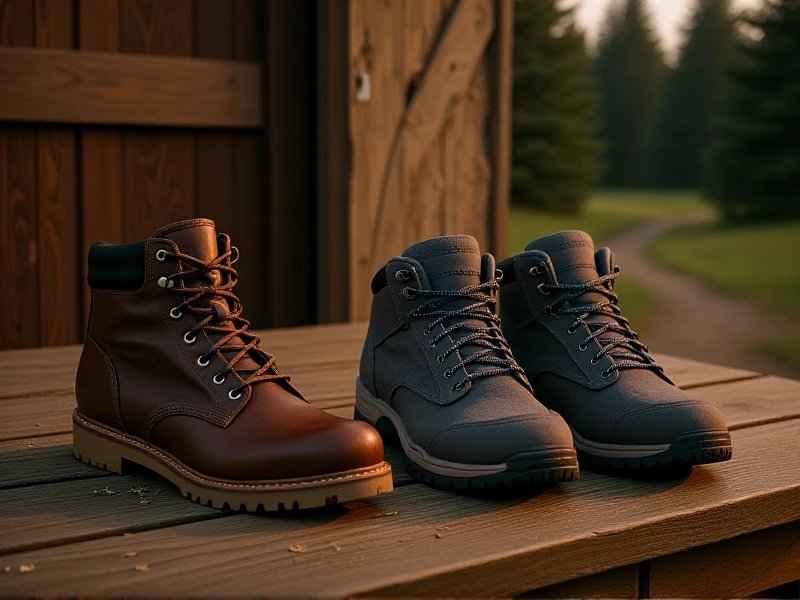
The Ultimate Guide to Choosing the Best Work Boots for Safety and Comfort
Your feet are the foundation of your workday in demanding fields like construction, roofing, or manufacturing. Protecting them with the right pair of work boots isn't just about comfort; it's a fundamental safety requirement. With so many options, finding the perfect pair designed for your specific job hazards is crucial. Here's how to ensure your next boots deliver on protection and endurance.
Why Quality Work Boots Are Non-Negotiable:
Professional-grade work boots are engineered specifically to mitigate workplace risks. Unlike regular shoes, they incorporate critical safety features mandated by standards like ASTM International or OSHA (in the US) and CSA (in Canada). These standards ensure the boots meet rigorous criteria for impacts, punctures, electrical hazards, and slips. Compromising on quality drastically increases the risk of preventable injuries.
Key Features Defining Top-Tier Work Boots:
- Safety Toes: The cornerstone of protection. Choose from steel toe (traditional strength), composite toe (lighter weight, non-metallic), or aluminum toe. Ensure they meet ASTM/CSA impact and compression ratings (e.g., ASTM F2413-18 I/75 C/75).
- Puncture-Resistant Soles: Essential for environments with sharp debris like nails or metal shards. A tough midsole layer stops objects from penetrating upwards into the footbed.
- Slip and Oil Resistance: Outsoles with deep, specially formulated treads provide grip on slippery surfaces, significantly reducing fall risks. Look for labels like "Slip Resistant" or ASTM F2913.
- Waterproofing & Insulation: Working outdoors or in wet conditions demands waterproof membranes (e.g., Gore-Tex). Cold environments require insulation (Thinsulate™ is common); hot environments prioritize breathability.
- Electrical Hazard Protection: Rated EH boots reduce the risk of electrical shock by inhibiting conductivity through the sole. Crucial for electricians or anyone near live circuits.
- Comfort & Support: Long shifts require exceptional comfort. Look for cushioned midsoles (gel, EVA, PU), supportive arches (especially if overpronating or supinating), quality leather or durable synthetics, and adequate padding around the collar and tongue. Breathable linings prevent overheating and moisture buildup.
Finding Your Perfect Pair:
- Know Your Job Hazards: List the primary risks (impacts, punctures, chemicals, electricity, moisture, cold/heat).
- Get Professionally Fitted: Sizes vary between brands. Measure your feet in the afternoon when feet are slightly swollen. Try boots on with the same work socks you wear daily. Ensure ample toe room (width and length) without heel slippage.
- Prioritize Long-Term Comfort Over Initial Feel: Break them in gradually. Walk, stand, and simulate work movements when trying them on. Listen to your arches and knees.
- Durability Matters: Invest in reputable brands known for quality materials and construction (Goodyear welt, cement, or direct attach construction lasts longer). Reinforced stitching and sturdy hardware are signs of longevity.
- Check Certifications: Look for the ASTM/CSA safety tags clearly stating the protective features the boots provide.
Don't underestimate the power of properly fitted, certified work boots. They shield you from daily hazards and provide the stable foundation needed to perform your job effectively, comfortably, and most importantly, safely. Replace them when treads wear thin or protective compenents become damaged.